

New UAE rules: Who needs an Advertiser Permit and how to get one
Violators may face fines up to Dh1 million under media law
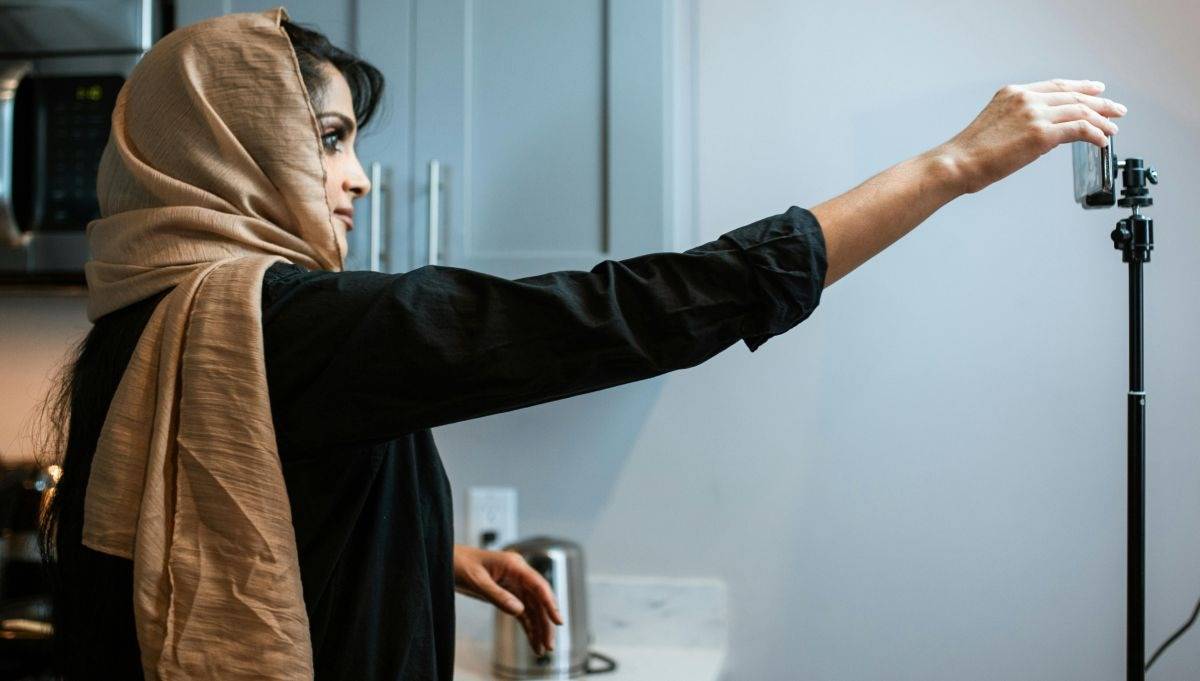
DUBAI: Social media influencers and content creators in the United Arab Emirates (UAE) are now required to obtain an official Advertiser Permit before posting promotional content online.
Announced by the UAE Media Council, this rule aims to regulate the fast-growing digital advertising space, protect audiences, and ensure greater transparency across platforms like Instagram, TikTok, YouTube, and Facebook.
Whether content is paid or unpaid, any advertisement – ranging from product placements to sponsored content or affiliate promotions – must now comply with specific licensing requirements. Those failing to do so could face serious legal consequences, including hefty fines and possible account restrictions.
The "Advertiser Permit" is more than just a license , it’s a commitment to clear standards that ensure the quality and credibility of content.
— مجلس الإمارات للإعلام (@uaemediacouncil) August 7, 2025
Explore the key requirements for advertising on social media and be part of a responsible media system.
For more information, contact us… pic.twitter.com/taIWqgkPya
What is Advertiser Permit?
The Advertiser Permit, also known as the Mu’lin Permit, is now compulsory for anyone sharing promotional content in the UAE.
Under the new rule:
- Content creators must be at least 18 years old (exceptions apply).
- UAE citizens and residents must hold an electronic media trade licence.
- Visitors may apply for a three-month renewable permit through a licensed UAE agency.
- The permit is free for the first three years for UAE nationals and residents.
- It must be renewed annually (or every three months for visitors).
- Application is available via the UAE Media Council’s official website.
For individuals under 18 engaging in educational, cultural, or athletic content that aligns with UAE regulations, and for business owners promoting their own companies, the permit is not required.
How to apply?
To obtain the permit, influencers must first secure a trade licence in digital or electronic media from either a mainland Department of Economic Development (DED) or a licensed media free zone such as Dubai Media City or Abu Dhabi’s twofour54. Once the trade licence is in place:
- Apply for the e-media licence (Advertiser Permit) through the UAE Media Council’s portal.
- Submit the required documents, including proof of trade licence and identification.
- Await approval and display the permit number on all active social accounts.
Those seeking assistance can also work with registered consultancies that offer permit facilitation services.
The advertiser permit is your official way to share advertisements on social media clearly and confidently.
— مجلس الإمارات للإعلام (@uaemediacouncil) August 5, 2025
If you’re posting promotional content, make sure you have the permit and check what’s required. #UAEMediaCouncil #AdvertiserPermit pic.twitter.com/bFn59mUTHA
What are the rules?
Permit holders are expected to strictly follow the UAE’s media content standards. Some of the key responsibilities include:
- Verifying advertisers before publishing content to avoid collaboration with fake entities
- Displaying the permit number clearly on all promotional platforms
- Publishing ads only through accounts registered with the Media Council
- Obtaining approvals from relevant authorities when required by law
- Submitting an annual report of all advertisements posted
- Registering for tax in line with UAE’s tax regulations
- Prohibiting others from using their permitted account to advertise
Accounts that violate these conditions may be subject to penalties.
When do these rules take effect?
The Advertiser Permit requirement officially came into force following its announcement on July 30, 2025. However, a grace period of three months has been allowed for influencers and creators to become compliant. After this window, the permit will become mandatory for all individuals operating in the digital advertising space.
The move coincides with the broader enforcement of the UAE’s new media law, implemented on May 29, 2025, which introduces a tighter regulatory framework across all media platforms. Offences, such as promoting content without proper licensing, can attract fines up to Dh1 million, confiscation of goods, or even imprisonment.
Where can you apply?
All applications for the Advertiser Permit must be submitted through the UAE Media Council’s website.
The initiative is part of a wider national strategy to position the UAE as a leading digital media hub by encouraging ethical content creation and boosting investor confidence in the influencer economy.
Mohammed Saeed Al Shehhi, Secretary-General of the UAE Media Council, stated that this initiative reflects the country's long-term vision to support creative talent and foster a thriving digital ecosystem aligned with the UAE’s future economic goals.